
The Gap Between Knowing vs Doing
By Keira Cope

Music thumps as I navigate through busy, loud tables. With dishes scattered everywhere, I pause, unsure of my next move. With no co-worker in sight, I walk into the event office hoping for help, only to find my co-workers slouched in their chairs, staring at their screens.
I pause, weighing my options: ask someone to help clear the tables, or let them rest. Having worked banquets for the past four years, I recognize that tired look in their eyes. I know if the banquet captain walked in right now, everyone would be in trouble.

In this moment, I knew what the right decision was to step up and rally the team to get the work done faster and more efficiently. But I hesitated. I was not in that position to start pushing people to work harder, and I also didn’t want my co-workers to see me as bossy or annoying. Feeling frustrated, I ended up doing the work myself.
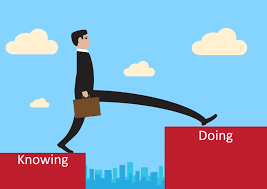
Looking back, the hesitation highlighted that the knowing-doing gap exists. Fear, uncertainty, and social dynamics often hold us back. Even though the solution is clear. Even without formal titles, leadership is necessary at times, especially in fast-paced environments like events.
In this situation, I understood that communication and accountability should have been the proper course of action, but my thoughts did not translate into action. At this moment, I decided to stay quiet instead of expressing concern about the excess amounts of clearing that needed to be done.
By staying quiet, I made the situation worse. The workload quickly became overwhelming and stressful. As I rushed to clear as much as I could, three wine glasses slipped from my hands and shattered all over the floor. Looking down at the mess, I hear gasps and conversations pause. I watch as guests start to move their children away from the glass. Because I was rushing, I created more conflict for myself and the guests. I quickly run to clean up a mess that could have been avoided.

That moment made the consequences clear: avoiding a brief moment of discomfort created a bigger disruption for both the guests and me.
Reflecting on this experience, I would approach things differently. I would not stay silent. If I could go back, I would say, “Hey guys, I know we’re all tired, but if we clear tables now, it’ll go a lot faster, and we won’t be stuck doing everything at the end.” This approach isn't bossy; it’s proactive.
Closing the gap between knowing and doing starts with confidence and communication. For me, I don’t need to be labeled as a leader; leadership can be situational, so at times I need to step up and use my best judgment. Avoiding asking my co-workers for help led to more pressure on myself and to dropping glassware.
Moving forward, to be seen as a leader, I can practice small actions, such as adding positive, reinforcing comments throughout the shift. This can help build confidence within the team.
The knowing vs doing gap shows up everywhere, not just in banquet settings. People recognize problems but stay silent out of fear or hesitation. But staying quiet doesn’t prevent issues; it often creates them.
Knowing what to do isn’t enough. The real difference is having the confidence to act when it matters most.
Author’s note: I used ChatGPT to help generate ideas and structure for this post. All content and final wording are my own.